






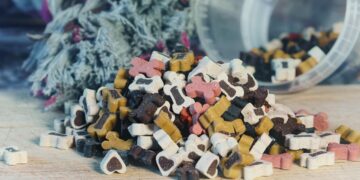













Discover the Best Food for Older Dogs with No Teeth: Soft Options That Your Pet Will Love
As our beloved canine companions grow older, their dietary needs and abilities change. For dogs who have lost their teeth, either due to age or health issues, finding the right type of food is essential for maintaining their health and happiness. This guide will explore a variety of soft food options that are not only easy for toothless senior dogs to consume but are also packed with the nutrients needed to support their aging bodies.
Understanding the Dietary Needs of Older Toothless Dogs
Before diving into the specific food options, it’s important to recognize the unique dietary requirements of older, toothless dogs. These dogs need food that is easy to eat and digest, yet nutritious enough to sustain their health.
Nutritional Requirements
- High-quality proteins: Essential for maintaining muscle mass which tends to decline with age.
- Lower caloric content: Helps manage weight since senior dogs are less active.
- Fiber: Aids in digestion, which can be sluggish in older dogs.
- Vitamins and minerals: Important for supporting overall health, including joint, bone, and cognitive function.
Consistency and Texture
For dogs without teeth, the consistency and texture of the food are just as important as the nutritional content. The food should be soft and easy to lap up without causing any strain to the gums or digestive issues.
Top Food Choices for Toothless Senior Dogs
When it comes to feeding your toothless dog, there are several nutritious and appetizing options to choose from. Here’s a roundup of some of the best types of food to keep your older dog both healthy and happy.
Commercial Soft Dog Foods
Several pet food brands offer formulas specifically designed for senior dogs. These often come in wet or canned forms and are softer than regular dog food, making them an excellent choice for dogs with no teeth. Look for brands that use high-quality ingredients and have a reputation for specializing in senior dog nutrition.
Home-Cooked Meals
Cooking for your dog allows you to control the ingredients to ensure they’re getting a balanced diet. Good options include ground turkey, chicken, or beef, cooked until very soft. Vegetables like pumpkin, carrots, and spinach can be steamed and mashed or pureed. Always consult your veterinarian to ensure your home-cooked meals meet your dog’s nutritional needs.
Commercial Dog Food Toppers
Dog food toppers are a great way to enhance the palatability and nutritional value of your older dog’s meal. These typically come in a gravy form that can be mixed with regular wet food or poured over it to make it softer and more appealing.
Hydrated Kibble
If your senior dog prefers dry food, or if you’re transitioning from dry to wet food, consider hydrating kibble with warm water or a pet-safe broth until it becomes soft and mushy. This method can help ease the transition for your dog, while providing a familiar taste in a more manageable form.
Tips for Feeding Your Toothless Dog
Feeding a toothless dog requires some adjustments to ensure they are eating comfortably and safely. Here are some practical tips:
Monitor Eating Habits
Keep an eye on how your dog eats to make sure they are able to ingest their food without difficulty. This can also help you determine the best food consistency.
Maintain Regular Dental Checks
Regular visits to the veterinarian for dental checks are crucial, even for dogs without teeth. Gums still require care to prevent disease and discomfort.
Be Patient During Transition
It might take some time for your older dog to get used to a new diet. Patience and gradual introduction of soft foods can make the transition smoother.
Conclusion: Ensuring a Happy, Healthy Mealtime
Choosing the right food for your older dog with no teeth is crucial for their health and enjoyment of life. Whether you opt for wet commercial foods, customized home-cooked meals, or softened dry kibble, the goal is to provide a diet that is nutritious, easy to eat, and delicious. By taking into account your dog’s specific health needs, preferences, and consuming abilities, you can ensure their golden years are filled with satisfying and wholesome meals.