
















How to Manage Dog Behavior Change After Vaccination: Tips and Tricks
As a dog owner, you want the best for your furry friend, which includes keeping up with necessary vaccinations. However, you might notice some changes in your dog’s behavior post-vaccination. Understanding these changes and knowing how to handle them can help keep your dog comfortable and happy. This article will explore why these changes occur and offer practical tips for managing your pet’s behavior after vaccinations.
Understanding Dog Behavior Post-Vaccination
It’s not uncommon for dogs to exhibit temporary behavioral changes after receiving vaccines. While vaccines are crucial for preventing disease, they can cause mild side effects as the immune system responds.
Common Symptoms Observed
Some typical symptoms your dog might display include:
- Slight fever
- Lethargy
- Decreased appetite
- Mild discomfort or swelling at the injection site
These reactions are generally mild and should resolve within a day or two. However, any persistent or severe symptoms should prompt a visit to your veterinarian.
Tips and Tricks for Managing Your Dog’s Post-Vaccine Behavior
Managing your dog’s behavior post-vaccination involves several straightforward steps that can significantly ease your pet’s discomfort and help them return to normal more quickly.
1. Provide a Comfortable Resting Space
After vaccination, your dog may feel tired and sore, so providing a quiet, comfortable space for them to rest is essential. Ensure their bed is soft and located in a calm area of your home away from the hustle and bustle.
2. Maintain Hydration
Encourage your dog to drink plenty of water. Hydration is vital, especially if your dog develops a fever. Consider providing ice cubes or a special treat like chicken broth (ensure it’s low in sodium) to entice them to drink more.
3. Monitor Food Intake
A decreased appetite is common after vaccination. While it’s important not to force food, try offering your pet small, appealing meals. If your dog resists their regular food, you can mix in a little wet food or boiled chicken to enhance the flavor.
4. Limit Physical Activity
It’s wise to keep your dog calm and avoid intense physical activity immediately after vaccination. Gentle, short walks are okay if your dog seems up to it, but avoid any strenuous exercise for a couple of days.
5. Use Soothing Techniques
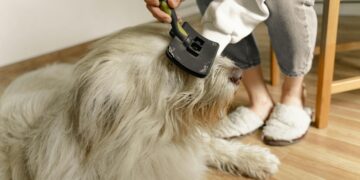
If your dog seems particularly uncomfortable, gentle petting or soft brushes can help soothe them. The sound of a calm, reassuring voice can also work wonders in reducing your dog’s anxiety.
6. Keep a Post-Vaccination Diary
Keeping a record of your dog’s behavior, any symptoms, and their duration post-vaccination can be very useful. This record will help you and your vet understand what is normal for your dog if future concerns arise.
When to Contact Your Veterinarian
While most side effects from vaccinations are mild and resolve quickly, it’s important to know when to call your veterinarian. Contact your vet if you notice:
- Persistent symptoms lasting more than a couple of days
- Severe lethargy or unresponsiveness
- Difficulty breathing
- Signs of an allergic reaction, such as hives, swelling, or severe cough
Your veterinarian can provide guidance and, if necessary, treatment to help manage any severe reactions.
Preventing Severe Reactions
Discussing Vaccine Needs with Your Vet
One of the best ways to prevent severe reactions is to discuss your dog’s health and vaccine needs with your veterinarian. Each dog has unique health considerations, and your vet can tailor a vaccination schedule that considers these factors.
Conclusion
While dealing with post-vaccination behavior changes in dogs can be concerning, most symptoms are generally mild and manageable. By understanding these changes and following simple management tips, you can help your dog recover more comfortably and quickly. Remember, vaccinations are a crucial part of your dog’s health regimen, protecting them from various diseases and contributing to a long, healthy life. Observing and adjusting to your dog’s needs during these times can strengthen the bond between you and your beloved pet.