















The Best Food for Older Dogs with No Teeth: Soft & Nutritious Options that Matter
Imagine your seasoned canine companion, once a voracious eater, now struggles simply to chew. It’s not an uncommon scenario as dogs age and teeth issues arise. The key challenge? Keeping their meals both manageable and nutritious. For those of us caring for such dogs, understanding and adapting to their dietary needs is nothing short of vital.
Navigating the Diet of a Toothless Senior Dog
The struggle isn’t about variety but about the texture and ease of the meal. Here’s the thing: The best food for older dogs with no teeth isn’t just about being soft—it needs to pack a punch nutritionally too. Often, older dogs not only lose teeth, they also lose their sense of smell and taste, making eating less enjoyable. This is why taste and nutrition need to be front and center.
Wet Foods and Canned Options
Commercially available wet foods are a primary choice for toothless dogs. These products are generally easier to eat and can be more appetizing due to their smell and consistency. Key points to check include high-quality protein sources, low sodium, and essential vitamins and minerals that support joint health, brain function, and overall vitality.
Don’t forget that palatability is crucial. If the food doesn’t taste good, your furry friend might still turn up their nose. Experiment with different flavors to see which ones your dog prefers. Some brands offer varieties like chicken, beef, or fish, which can make meals more inviting.
Homemade Meals: A Gentle Touch
If you’re inclined towards preparing food at home, there’s a lot you can do. Soft foods such as scrambled eggs, boiled chicken, and pumpkin can be easily mashed to create a tooth-friendly meal that’s also rich in nutrients. Remember, you must ensure the food is well-cooked and mashed to a near-puree consistency to avoid any chewing.
It’s equally important to consult with a veterinarian to confirm that your homemade diet meets your dog’s specific health requirements. Older dogs often have special dietary needs due to chronic health issues like kidney disease or diabetes.
Supplements and Add-ons
Sometimes, even the best diets need a little boost. Supplements like omega fatty acids, glucosamine, and chondroitin can be essential for maintaining healthy joints and a shiny coat. These can usually be mixed into any wet food or homemade meal, making them a seamless addition to your dog’s diet.
Feeding Techniques That Help
Let’s understand that how you present the food matters too. Smaller, more frequent meals can aid digestion and energy levels throughout the day. Keeping the food at a warm temperature might also help enhance the flavor and aroma, making it more appealing to your dog.
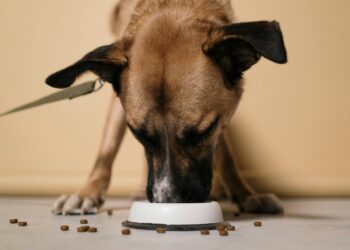
Using shallow bowls or even spreading the food on a flat plate can make it easier for your dog to eat without having to chase bits of food around the bowl.
Conclusion
Caring for an older dog with no teeth might mean extra kitchen time or experimenting with different commercial foods, but it’s all about keeping them happy and healthy in their senior years. Start with nutrient-rich soft foods, be patient as they adjust, and continue consulting your vet to ensure their dietary needs are fully met.
Remember, every dog is unique, so what works for one may not work for another. It’s all about finding that perfect balance of nutrition, texture, and taste that keeps that tail wagging at mealtime.