
















Essential Features in Dog Food for Small Breed Puppies
Have you ever puzzled over those vibrant, oversized bags of dog food in the aisle and wondered, “Which one of these is truly the best fit for my tiny, energetic puppy?” Selecting the right dog food is no small task, especially when your puppy could fit snugly into your shoe!
Breaking Down the Basics: Nutrient Profile
So, let’s jump into the thick of it! First off, small breed puppies, with their fast metabolisms and vivacious energy levels, need a formula that keeps up with their dietary needs. High-quality protein is the cornerstone of their food—it supports muscle growth and energy. Chicken, fish, and eggs are fantastic sources that are commonly found in top-tier puppy food.
Moreover, the balance of Omega-3 and Omega-6 fatty acids is crucial. These are not just fancy terms; they help in cognitive development and maintaining a silky coat. Puppies need to look and feel great, right?
Small Bites for Small Pups
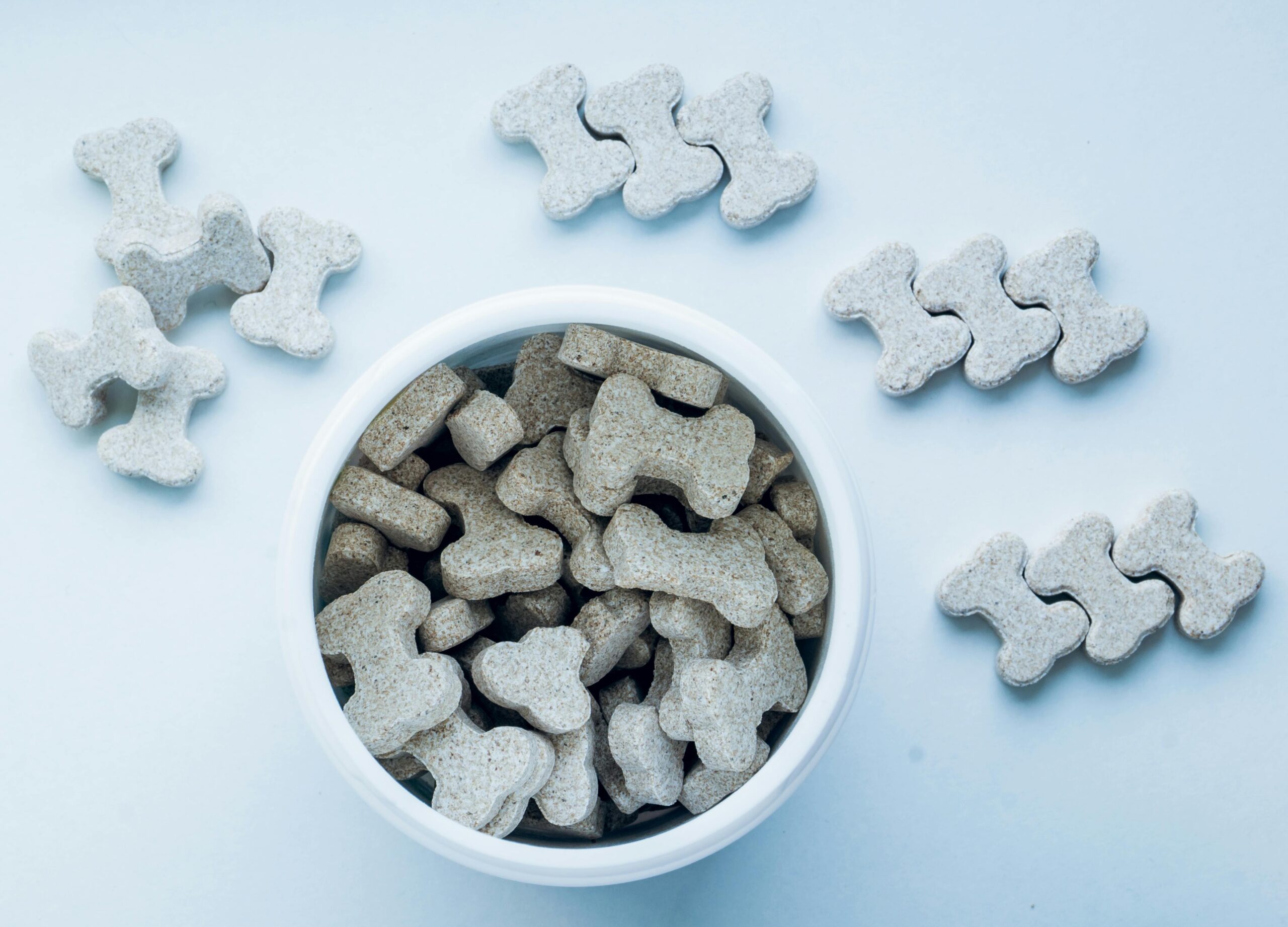
This might seem obvious, but it’s a game changer—kibble size matters for these tiny creatures! The best dog food for puppies of small breeds will feature smaller, easy-to-chew kibble. This makes it easier for them to eat and digest their food, which is especially important during their early developmental stage. It’s also less daunting for a small puppy approaching a bowl of food that doesn’t look like a mountain!
Keeping it Natural and Nutritious
You’ll want to look out for foods that boast natural ingredients. While it’s tempting to go for cheaper brands, they often contain fillers and artificial additives that could do more harm than good. Foods rich in fruit and vegetables can provide natural vitamins and antioxidants, which help support a healthy immune system. Ingredients like sweet potatoes, carrots, and blueberries are not only delicious but are packed with nutrients.
No to the Bad, Yes to the Good
Here’s the thing: Avoid foods that include by-products, artificial colors, flavors, or preservatives. These can be hard on your pup’s tiny digestive system. Also, some foods contain allergenic grains like corn, wheat, or soy, which might not suit all puppies. Hypoallergenic formulas are out there and could be a way to go if your pup shows signs of allergies.
Specific Needs for Growing Bodies
Nutritional needs for small breed puppies can also encompass specific formulas that cater to unique health concerns, such as joint health—important for breeds prone to orthopedic issues. Foods with added glucosamine and chondroitin, or those developed with veterinary input, can be beneficial.
Moreover, consider calorie density. Small breed puppies need calorie-rich food to support their growth without requiring large meal portions, which can overload their tiny stomachs.
Choosing a Brand You Can Trust
It’s not just about what’s in the food but who makes it. Trusting your brand is key. Go for brands that are forthcoming about their ingredient sourcing and manufacturing processes. Brands that invest in nutritional research and consult with veterinarians typically deliver superior quality that supports your puppy’s development from a shaky-legged newbie to a sprightly sidekick.
The Voice of Experience: Reviews and Recommendations
Finally, don’t underestimate the power of a good review or a recommendation from your vet. Other puppy parents can provide practical insights into how different foods really perform, beyond the glossy advertisements. And your vet’s advice is invaluable—they know your puppy’s health inside and out.
Wrapping it Up: What to Remember
In essence, when hunting for the best dog food for puppies that are of a small breed, focus on high-quality proteins, the right type and size of kibble, natural ingredients, and a trusted brand. Keeping these pointers in mind not only helps your puppy grow healthily but also sets the course for a lifelong journey of well-being. Choose wisely; after all, this is a pivotal step in nurturing your furry friend’s vibrant spirit and boundless energy!