












How to Manage Your Dog’s Behavior Change After Vaccination: Tips and Advice
Ever noticed your furry friend acting a bit oddly after coming back from the vet? Yes, vaccinations are a routine part of dog care, essential for their health, but occasionally they might make your pooch feel under the weather. This can slightly alter their behavior. Here’s how to gently handle these changes without stress.
Understanding Vaccination Side Effects
Vaccinations are vital to prevent serious illnesses in dogs. However, like human medicines, they can cause mild side effects. Typically, these include lethargy, slight fever, or a decrease in appetite and are generally no cause for alarm. However, these physical discomforts can affect your dog’s mood and behavior temporarily.
Recognizing the Signs
Let’s understand the signs to look for. Typically, your dog might be less energetic, perhaps a bit grumpy, or simply not themselves. They might also sleep more than usual or show less interest in playing or walking. It’s important to monitor these changes to ensure they don’t escalate into something more concerning.
Practical Tips for Managing Behavior Changes
1. Provide a Comfortable Resting Space
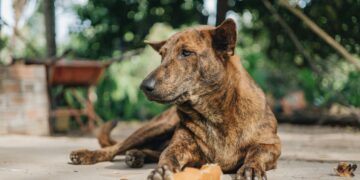
After vaccination, your dog will likely need more rest than usual. Make sure they have a quiet, comfortable corner to retreat to. This could be their favorite bed or a cozy blanket laid out in a peaceful part of your home.
2. Keep Things Calm at Home
Try to keep your home environment calm and stress-free after your dog gets vaccinated. Avoid loud noises like loud music or a vacuum cleaner and try keeping energetic playtime with other pets to a minimum. This helps in not overwhelming them.
3. Maintain a Light Diet
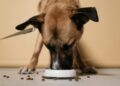
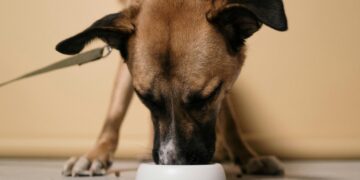
If your dog’s appetite seems off, don’t worry too much. Offer them light, easily digestible food. You might even want to warm their food slightly to enhance the smell and encourage them to eat. Hydration is key, so keep fresh water available at all times.
4. Monitor and Document Symptoms
Keep a close eye on any changes in your dog’s behavior and jot them down. This can be incredibly helpful if you need to call your vet. Note what’s different, the time the symptoms started, and any other details that seem out of the ordinary.
5. Gentle Reassurance
Your presence can be very comforting to a dog that isn’t feeling well. Spend time with them, speak in a soothing voice, or gently pet them if they seek affection. It assures them that everything is okay.
When to Consult the Vet
While mild side effects from vaccinations are normal, some signs warrant a call to the vet. If your dog exhibits severe lethargy, persistent vomiting, diarrhea, or signs of an allergic reaction like swelling or difficulty breathing, seek veterinary care immediately. It’s always better to err on the side of caution.
Encouraging Normal Behavior Post-Vaccination
Slowly Resume Regular Activities
Once your dog starts showing signs of their usual self, gradually reintroduce their normal routine. Start with short walks and low-intensity play. Be patient — it might take a few days for them to bounce back completely.
Positive Reinforcement
Encourage them with gentle praise and occasional treats for displaying normal behavior. This positive reinforcement can help them recover their spirits and health more quickly.
Conclusion: Ensuring a Smooth Recovery
Any changes in your dog’s behavior post-vaccination are generally temporary. With your careful attention and tender loving care, they’ll soon be back to their happy, energetic selves. Remember, these tips on how to manage your dog’s behavior change after vaccination aren’t just about helping them adjust; they’re about ensuring that the vaccination does its job without causing undue stress. Happy parenting!