
















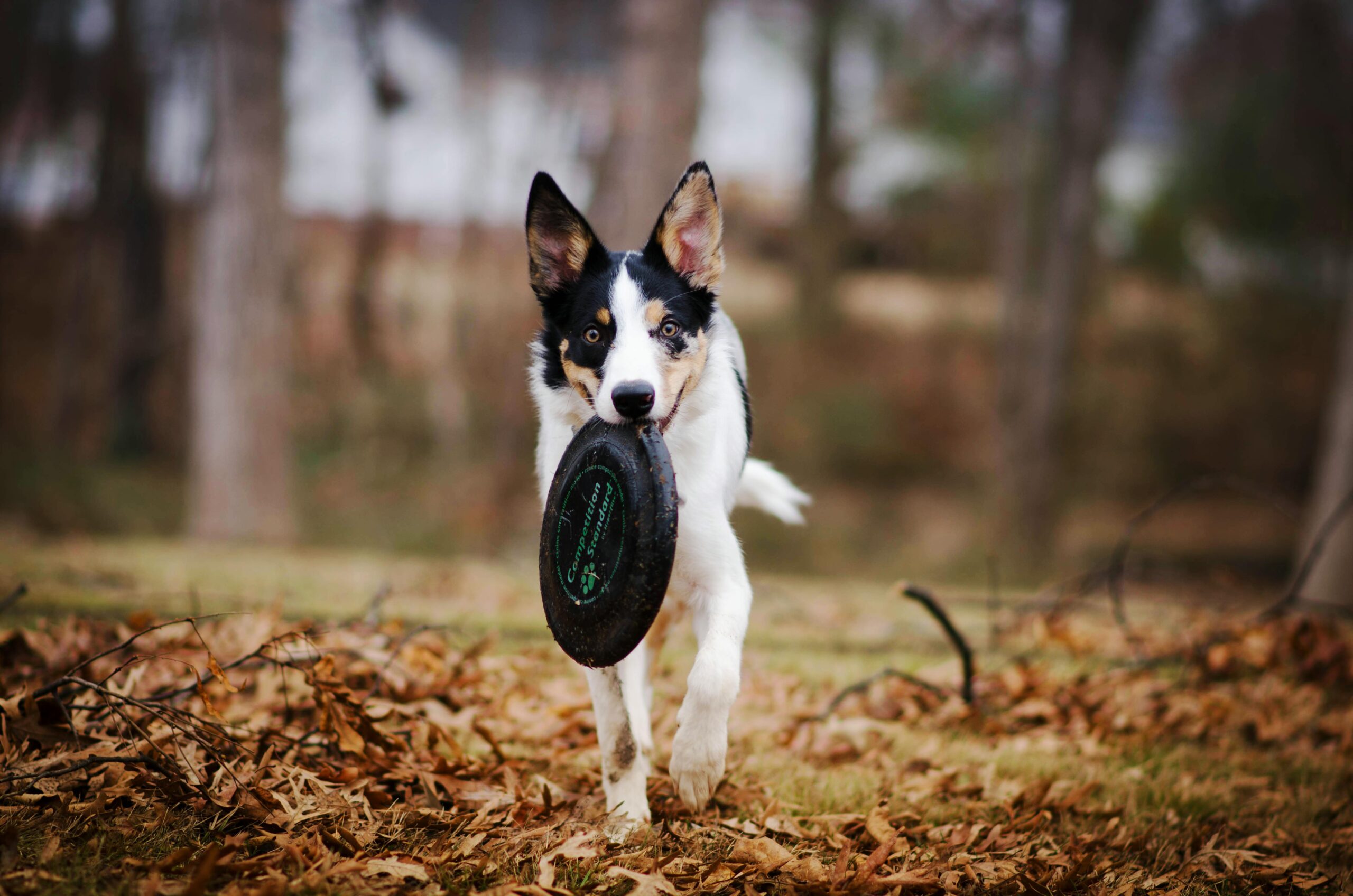
Overcoming Common Challenges in Dog Behavior Training
Have you ever wondered how your peaceful home became a wild dog park? Maybe you’re dealing with a pup who loves to chew on your favorite shoes or a furry friend who thinks your commands are just gentle suggestions. You’re not alone. Many pet owners experience bumps on the road to raising well-behaved dogs.
Understanding the Woof—Why Does My Dog Act This Way?
First off, let’s understand why our canine companions behave the way they do. Dogs are not born understanding human rules. For them, behaviors like jumping on people or barking at the mailman can be natural ways of expressing their emotions or needs. Recognizing this is key to patience and successful training. So, when your dog isn’t following the rules, remember—it’s not out of defiance but rather a lack of understanding.
Tip #1: Consistency is Key
Why Consistency Matters
Ever noticed how confusion tends to lead to chaos? That’s true for dogs too. They thrive on consistency. Using the same commands (like “Sit” instead of alternating between “Sit down” and “Sit”) and rewards can make a world of difference. Consistent behavior from you leads to consistent responses from your dog.
Actionables for Consistent Training
1. Choose specific words for commands and stick to them.
2. Train daily, even if it’s just for five minutes.
3. Use the same tone of voice when you give commands.
Tip #2: Positive Reinforcement Wins
The Power of Positive Reinforcement
Here’s the thing—dogs want to please their humans. When they understand that a particular behavior pleases you, they’re likely to repeat it, especially if there’s a treat involved! Instead of scolding them for wrongdoing, focus on rewarding good behavior. It can be something as simple as a pat on the head or a delicious treat.
Practical Ways to Reinforce Positively
– Reward immediately after the good behavior.
– Vary the treats to maintain interest.
– Smile and speak in a happy tone to communicate your pleasure.
Tip #3: Manage and Redirect
Navigating the Challenge of Unwanted Behaviors
What do you do when your dog exhibits unwanted behaviors like chewing or excessive barking? The first step is managing the environment. For instance, if your dog chews on shoes, keep them out of reach. For barking, notice what triggers the behavior and try to minimize these disturbances.
Effective Redirection Techniques
– If your dog starts to chew on something inappropriate, offer a chew toy.
– Distract with a game or a quick training session when he begins to bark without an apparent reason.
Conclusion: Keep Calm and Train On
Training a dog isn’t always straightforward, and it’s okay to feel overwhelmed at times. Remember, most dogs are eager to learn and bond with their humans. By incorporating these tips into your routine, you’re setting up your dog—and yourself—for success in overcoming common challenges in dog behavior training. Keep your expectations realistic, celebrate small victories, and enjoy the journey of growing together with your furry friend.