
















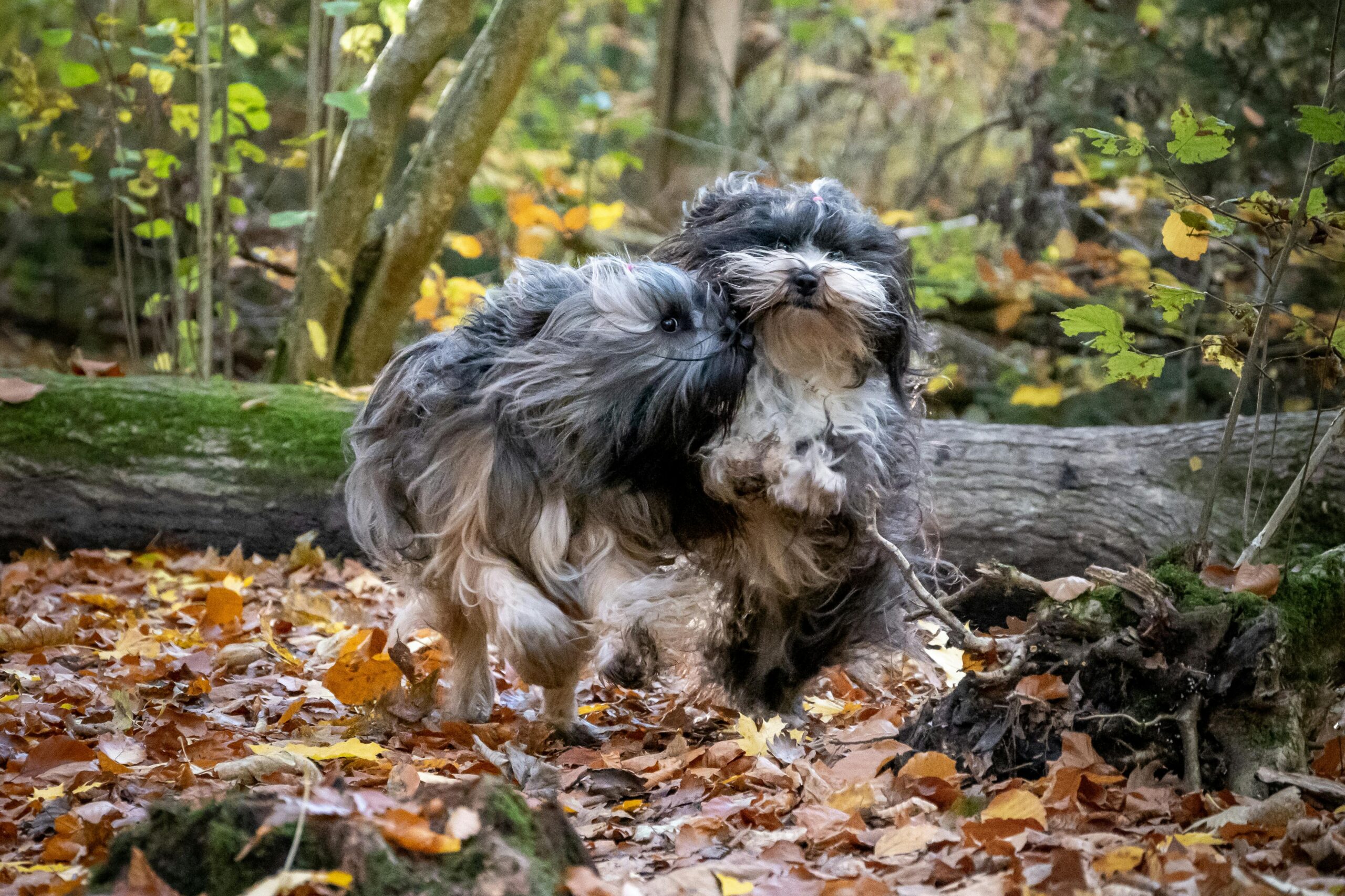
The Ultimate Guide to Bonding: Dog Tips for New Owners
Did you know a wagging tail can mean more than just happiness? It could signal your furry friend’s acknowledgement of forming a successful bond with you. Let’s dive into how you can strengthen that connection, providing a fulfilled life for both you and your new canine companion.
Welcome to Your New Role as a Dog Owner
First things first, embracing the role of a dog owner comes with joy and a handful of responsibilities. Your pet relies on you not just for food and shelter, but also for social interaction and affection. Bonding with your dog isn’t just about cuddles; it’s about crafting a profound sense of trust and understanding. Here’s the thing: the deeper your bond, the better the quality of life for your pet. So, let’s understand how to get started on the right paw!
Step-by-Step Bonding Tips
Establish a Routine
Dogs thrive on predictability. By setting up a daily routine of walks, feedings, and playtime, your dog will learn what to expect each day and will begin to trust your leadership more. This trust forms the backbone of your relationship. Consistency is key, so try to keep schedules regular. You might think, why is this simple act of feeding at the same time important? Well, it helps them feel secure and rooted in their new environment.
Quality Time Counts
It’s easy to think that your dog needs lavish toys or fancy treats, but really, nothing beats quality time together. Engage in activities your dog enjoys. Be it a game of fetch or a quiet evening stroll, when you participate in these activities, it reinforces your presence as a source of fun and comfort.
Training: More Than Just Tricks
Training your dog isn’t just about teaching them to sit or stay; it’s an incredible bonding activity. Training sessions are conversations between you and your dog where you both learn to understand each other’s language. Remember, patience is your best buddy during training. Keep training sessions short, fun, and rewarding.
Communicate Clearly
Dogs might not understand every word we say, but they are excellent at picking up tones and body language. Use a calm, happy voice to give positive feedback and a firm tone for commands. Make sure your signals and commands are consistent so that your dog knows how to respond, making communication a breeze!
Respect Their Space
Like humans, dogs need their own space. Providing a personal spot like a bed or a crate where they can retreat when overwhelmed or tired, respects their independence. Acknowledging their need for solitude at times helps build mutual respect. This space is their haven, and your respect for this little nook can boost their comfort and trust in you.
Monitoring Progress and Adjusting
Every dog is unique, with particular likes and dislikes. Keep an eye on what makes your dog comfortable or anxious. Adjust your bonding strategies to better suit your dog’s personality. This attentive adjustment shows that you are in tune with their needs, further cementing your bond.
Common Missteps to Avoid
Avoid getting frustrated if progress seems slow. Like any good relationship, bonding with your dog takes time and patience. Additionally, avoid over-correcting or harsh punishments which can break trust and hinder bonding efforts.
Final Thoughts
Bonding with your new dog is an exciting adventure that goes beyond basic pet care. It’s about building trust, understanding, and a deep, lasting friendship. The efforts you put into bonding will help shape a happy, well-adjusted, and mutually fulfilling relationship with your dog. Remember, each moment spent together strengthens the bond you share. So embrace these tips, and enjoy the journey of becoming your dog’s best friend!